Which Funding Option is Best For You?
The best small business loans fuel growth for your business without any hassle,
so you have financial flexibility for your daily operations.
What is a Working Capital Loan?
A working capital loan is a type of financing designed to cover the short-term operational needs of a business. Unlike long-term financing, working capital loans are typically repaid within a year and are used to manage fluctuations in cash flow, fund immediate expenses, or capitalize on sudden business opportunities. These loans often come with flexible repayment terms and may feature variable interest rates, which can influence the total repayment amount.
Working capital loans are crucial for both new and growing businesses, providing them the necessary funds to enhance their operational capabilities without the long-term commitment of a traditional term loan. Businesses frequently utilize these loans to increase inventory, support payroll, or even expand operational space, effectively boosting their ability to generate profit and scale efficiently. This form of financing is particularly valuable for businesses looking to maintain smooth operations while navigating seasonal sales cycles or unexpected expenses.

What is a Revolving Line of Credit?
A revolving line of credit offers considerable flexibility, making it a valuable tool for businesses that experience varying capital needs. This flexibility allows companies to manage cash flow more effectively, ensuring they have access to funds when they need them without the continuous application process required for traditional loans. The ability to manage a revolving line of credit effectively can significantly contribute to a business’s ability to adapt and grow in dynamic market conditions.

What is Equipment Financing?
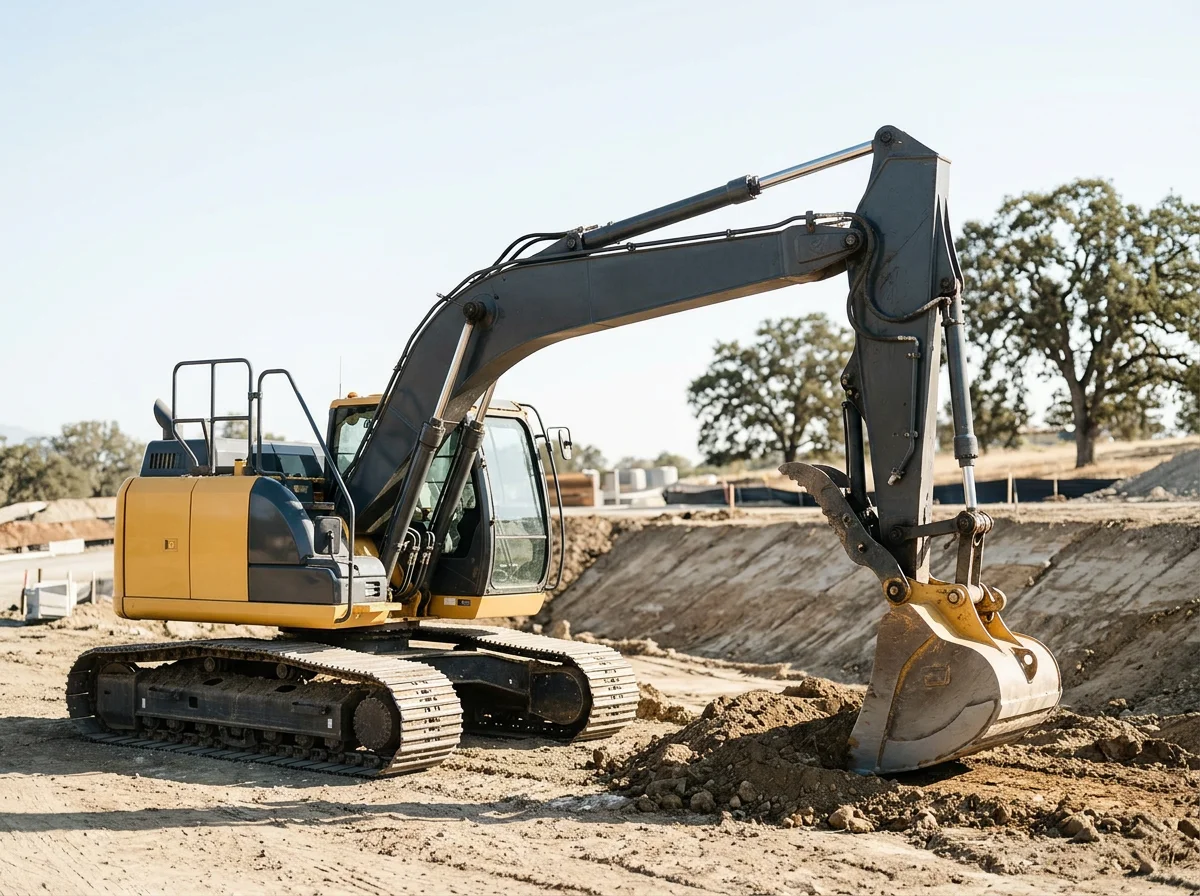
Equipment financing is a tailored financial solution that allows businesses to purchase essential new or used equipment without the burden of heavy upfront costs. This specialized form of business lending is crucial for companies looking to enhance their operational capacity or update their technology and machinery.
What is an SBA Loan?
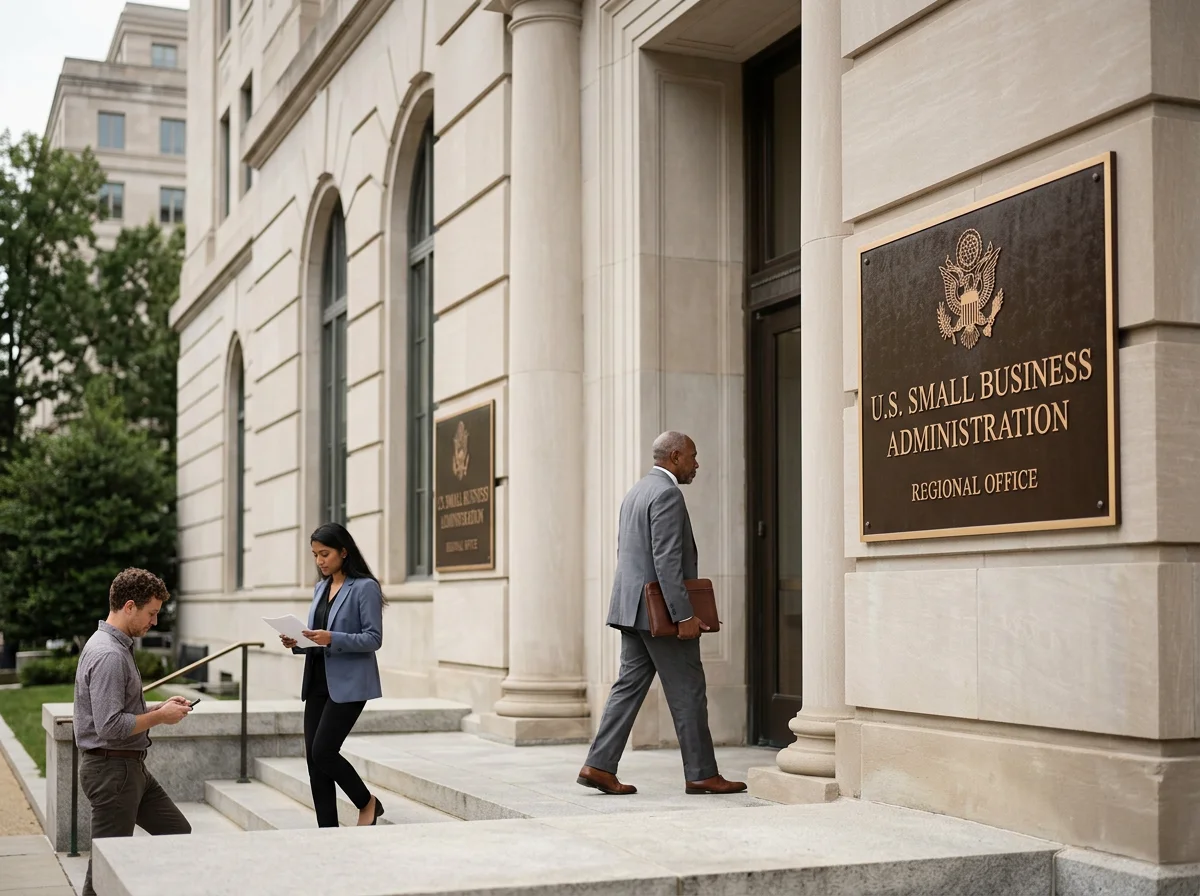
Put simply, an SBA loan is a small business loan that is partially guaranteed by the government (the Small Business Administration), which eliminates some of the risk for the financial institution who is issuing the loan.
Therefore, it is not the SBA who is doing the lending. The SBA works with a network of approved financial institutions that lend money to small businesses more frequently and with better terms since the SBA partially guarantees the loans that these lenders extend to small businesses.
This means that the government will back up a portion of the loan that a small business receives, so if you’re unable to pay back your SBA loan, the lender knows that the SBA will cover the portion that they guaranteed.
What is Revenue-Based Financing?
A revenue-based loan is a type of financing designed to help businesses manage short-term operational needs by offering repayment terms that align with the company's revenue. Unlike traditional loans, revenue-based lending ties repayments directly to the business's income, meaning the loan is repaid as a percentage of monthly revenue, rather than fixed installments. This allows businesses to manage cash flow more effectively, especially during periods of fluctuating income.
Revenue-based loans are particularly beneficial for growing businesses, providing them with flexible capital without the burden of a long-term fixed repayment schedule. These funds can be used to manage inventory, cover payroll, or seize sudden business opportunities. The repayment structure, based on revenue, makes this type of financing ideal for companies with seasonal sales or variable income, as it adjusts to their financial performance, helping them scale efficiently while maintaining operational stability.

What is a Business Term Loan?
A Business Term Loan is a type of financing designed specifically for business needs, where funds are repaid in fixed installments over a predetermined period. These loans can range from one to ten years and may extend up to 30 years in special cases. Typically associated with variable interest rates, Business Term Loans can lead to different total repayment amounts.
Primarily utilized for small business financing, Business Term Loans are ideal for both newly established businesses and those looking to expand. They provide a reliable source of capital that businesses can use to enhance their operational capacity and profitability over time. Whether it's investing in new equipment, expanding facilities, or increasing inventory, Business Term Loans offer a strategic way to boost business capabilities and growth. This form of credit is crucial for companies aiming to leverage business loans for small business, apply for a business loan, or secure small business capital to scale operations and drive long-term success.

What is Merchant Cash Advance?
Merchant Cash Advance is a financing option for small businesses in which a merchant account provider pays a one-time lump sum to a merchant in exchange for a percentage of future credit card sales. This percentage of sales is collected by the credit card processor until the initial amount plus interest is repaid in full.
Because a Merchant Cash Advance is technically classified as a sale of a portion of future sales compared with a conventional loan, it is not subject to interest rate regulation. As a result, the interest paid on a Merchant Cash Advance can be much higher than the interest typically paid on a small business loan.

Let’s talk about your next options.
Please complete the form below to facilitate a conversation regarding your organization’s financial objectives and the comprehensive solutions we provide.
Funding Option
Filters
No results found
No results match your search. Try removing a few filters.